Polycystic Ovary Syndrome (PCOS, also called PCOD) is one of the most common hormonal conditions in women of reproductive age. It is also one of the most common reasons for difficulty getting pregnant. The reassuring news is that most women with PCOS can conceive with the right guidance and treatment.
What is PCOS?
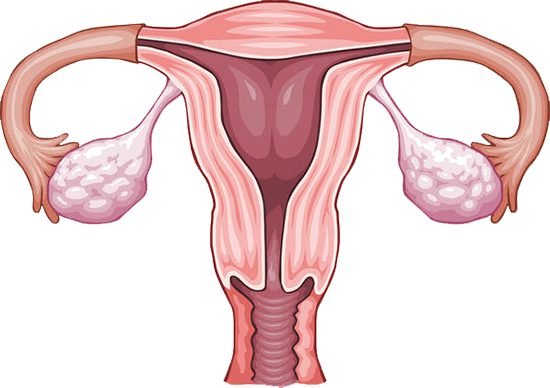
In PCOS, hormonal imbalance affects how the ovaries release eggs. Instead of one egg maturing and being released each month, many small follicles develop but ovulation happens irregularly or not at all. Without regular ovulation, conceiving naturally becomes harder.
Common signs of PCOS
- Irregular, delayed or missed periods
- Weight gain, especially around the waist
- Acne or oily skin
- Excess hair on the face or body
- Thinning hair on the scalp
- Many small follicles seen on an ultrasound scan
Step 1: Lifestyle changes
For women who are overweight, losing even 5 to 10% of body weight can restart regular ovulation. A balanced diet with fewer refined carbohydrates, regular physical activity and good sleep make a real difference to hormone balance.
Step 2: Ovulation induction
Simple tablets taken early in the cycle can help the ovaries release an egg. We track the response with follicle scans to time intercourse or treatment correctly. Many women with PCOS conceive at this stage.
Step 3: IUI
If ovulation tablets alone do not work, IUI combined with ovulation induction places washed sperm directly into the uterus at the right time, improving the chances further.
Step 4: IVF
When other treatments do not succeed, or if there are other factors such as blocked tubes or low sperm count, IVF offers good success rates for women with PCOS. Our specialists use careful, gentle stimulation protocols to keep treatment safe.
PCOS during pregnancy
Women with PCOS have a higher chance of gestational diabetes and blood pressure problems in pregnancy, so regular antenatal check-ups are important. Our obstetric team monitors these closely.
If you have irregular periods and are trying to conceive, do not wait. An early consultation helps us find the simplest treatment that works for you.
Medical disclaimer: This article is for general information only and is not a substitute for professional medical advice. Please consult our specialists for guidance about your own health.