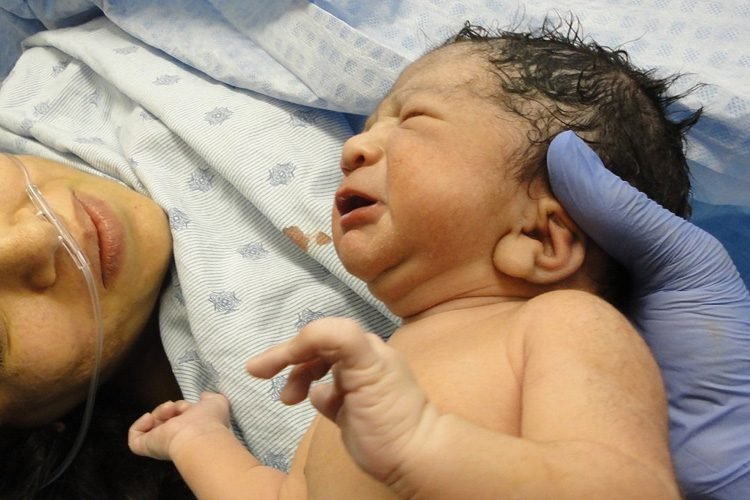
A baby born before 37 weeks of pregnancy is called premature, or preterm. If your little one has arrived early, you may feel worried, tired and unsure. Please know that today, with modern neonatal care, most premature babies grow up healthy and strong.
Life in the NICU
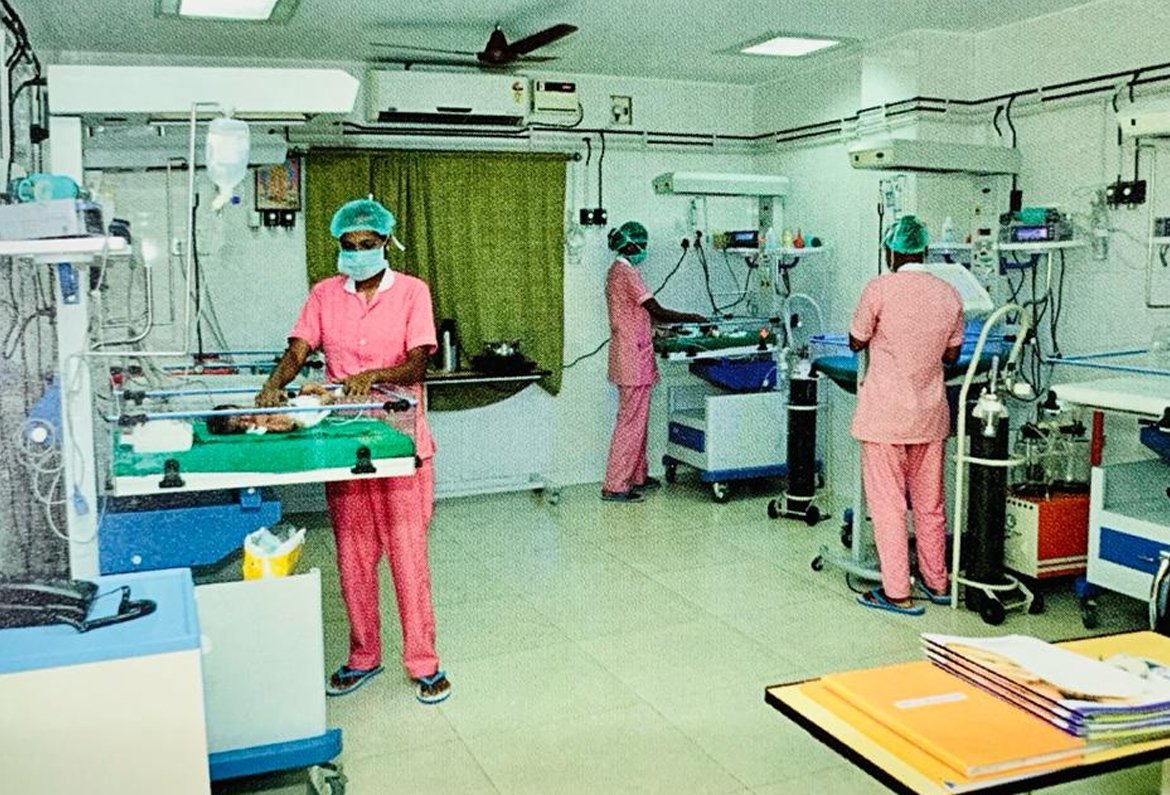
Premature babies often need help with breathing, keeping warm and feeding. In the Neonatal Intensive Care Unit (NICU), your baby may be placed in an incubator and connected to monitors. The machines and alarms can look frightening, but they simply help our team watch your baby closely around the clock.
How you can help your baby
Kangaroo mother care
Holding your baby skin-to-skin on your chest, called kangaroo care, keeps your baby warm, steadies breathing and heart rate, helps weight gain and builds a strong bond. Both mothers and fathers can do it, and our nurses will show you how.
Breast milk
Your breast milk is the best medicine for a premature baby. It protects against infections and helps the gut mature. If your baby cannot feed yet, you can express milk, which can be given through a small feeding tube.
Gentle touch and your voice
Talking softly, reading and gentle touch comfort your baby and help development.
When can we go home?
Babies are usually ready to go home when they can breathe on their own, keep warm in a cot, feed well by breast or bottle, and are gaining weight steadily. This is often close to the original due date.
After discharge
- Keep all follow-up visits for growth, eyes (ROP screening) and hearing checks
- Follow the vaccination schedule based on your baby's birth date
- Wash hands often and avoid crowded places in the first few months
- Watch for warning signs: poor feeding, breathing difficulty, fever or unusual sleepiness
Our neonatology and paediatric team will continue to support you and your baby long after you leave the hospital.
Medical disclaimer: This article is for general information only and is not a substitute for professional medical advice. Please consult our specialists for guidance about your own health.