When couples first hear they may need fertility treatment, the two terms they meet most often are IUI and IVF. Both can help you conceive, but they work very differently. Understanding the difference helps you ask the right questions and feel more confident about your plan.
What is IUI?
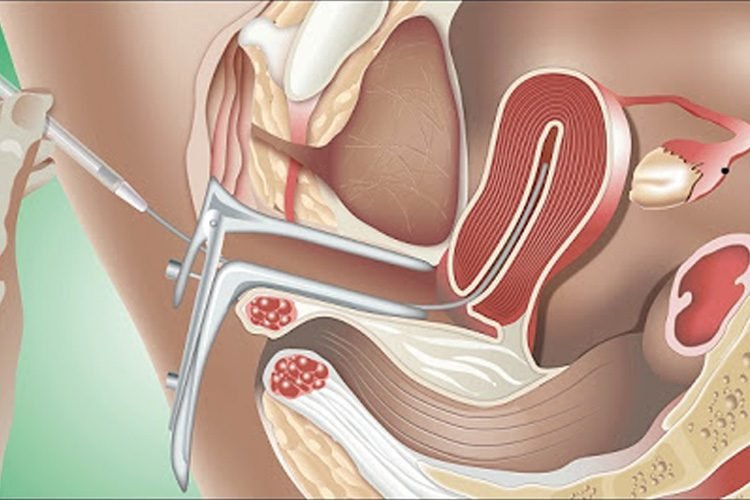
IUI (Intrauterine Insemination) is a simple out-patient procedure. The husband’s semen sample is washed in the laboratory to select the healthiest, fast-moving sperm, which are placed directly into the uterus around the time of ovulation. Fertilisation still happens naturally inside the body.
- Usually combined with mild tablets or injections to help ovulation
- No anaesthesia needed, it takes only a few minutes
- Requires at least one open fallopian tube
What is IVF?
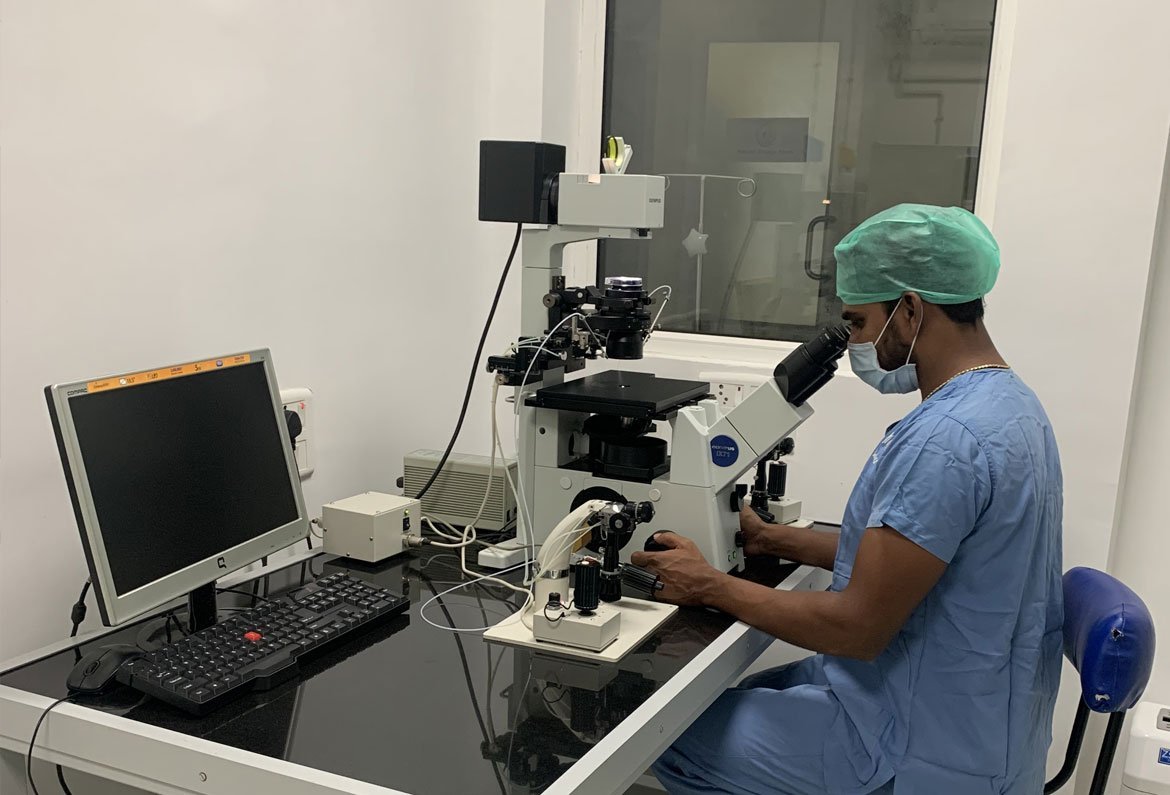
IVF (In Vitro Fertilisation) brings the egg and sperm together outside the body. The ovaries are stimulated to produce several eggs, which are collected under short anaesthesia and fertilised in the lab. The best embryo is then transferred into the uterus. When sperm quality is low, a technique called ICSI is used to inject a single sperm into each egg.
IVF vs IUI at a glance
| IUI | IVF | |
|---|---|---|
| Where fertilisation happens | Inside the body | In the laboratory |
| Medicines | Mild stimulation | Stronger stimulation for multiple eggs |
| Procedure | Quick OPD procedure | Egg collection + embryo transfer |
| Typical success per cycle | About 10 to 20% | About 35 to 40% |
| Cost | Low | Higher |
Who should consider IUI first?
IUI is often a sensible first step for couples with:
- Mild male-factor problems (slightly low count or motility)
- Ovulation problems such as PCOS
- Unexplained infertility, with healthy tubes
When is IVF the better choice?
IVF is usually recommended when the chance with IUI is low, for example:
- Blocked or damaged fallopian tubes
- Moderate to severe male-factor infertility
- Low ovarian reserve or a woman aged above 37
- Endometriosis, or several failed IUI cycles
Most pregnancies with IUI occur within the first three to four cycles. If IUI has not worked after repeated attempts, moving to IVF often saves time, which matters, as age is the single biggest factor affecting success.
The bottom line
There is no “one size fits all” answer. The right treatment depends on both partners’ test results, the woman’s age and how long you have been trying. At Meenakshi Fertility Centre we always recommend the gentlest treatment that gives you a realistic chance of success, and we explain the cost transparently before you begin.
Not sure where to start? A consultation with simple tests for both partners is the best first step.
Medical disclaimer: This article is for general information only and is not a substitute for professional medical advice. Please consult our specialists for guidance about your own health.