ICSI (Intracytoplasmic Sperm Injection) is one of the most important advances in fertility treatment. It has made fatherhood possible for many men who were once told they could not have their own biological children.
How is ICSI different from IVF?
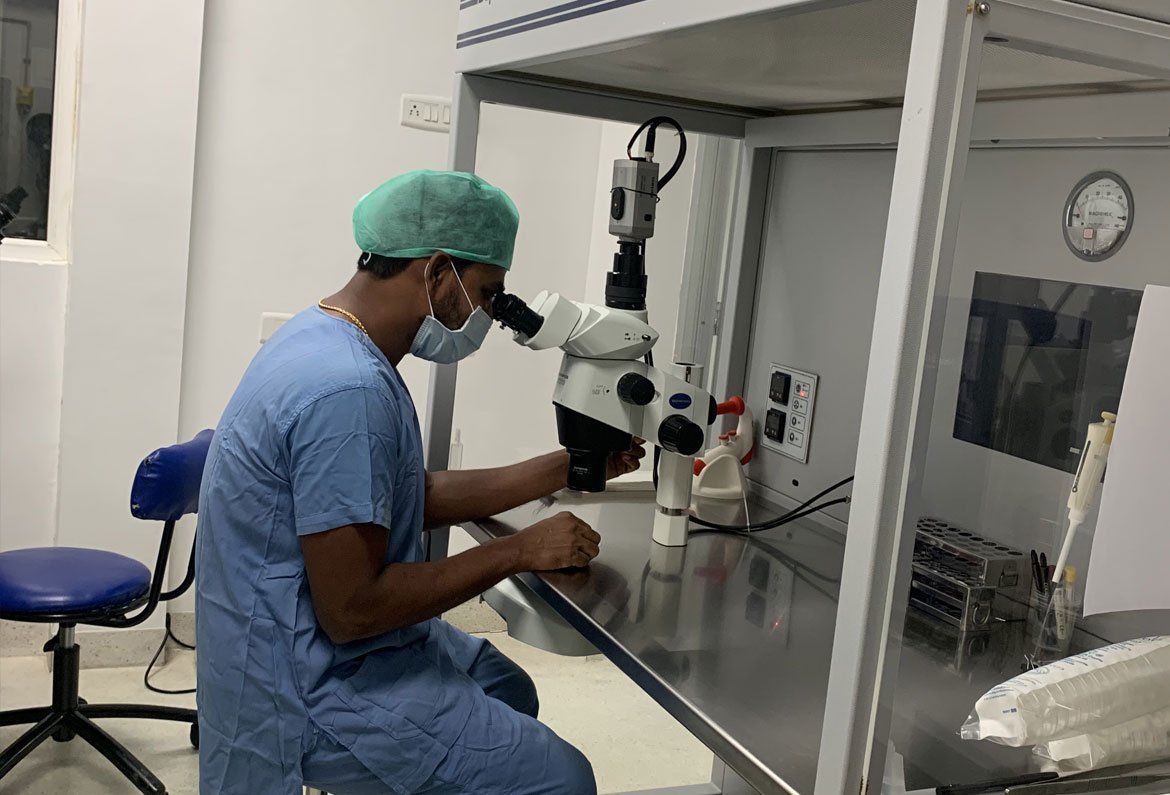
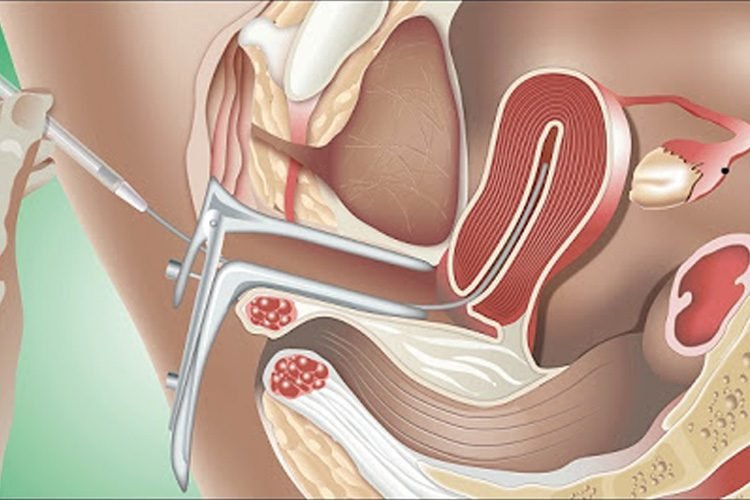
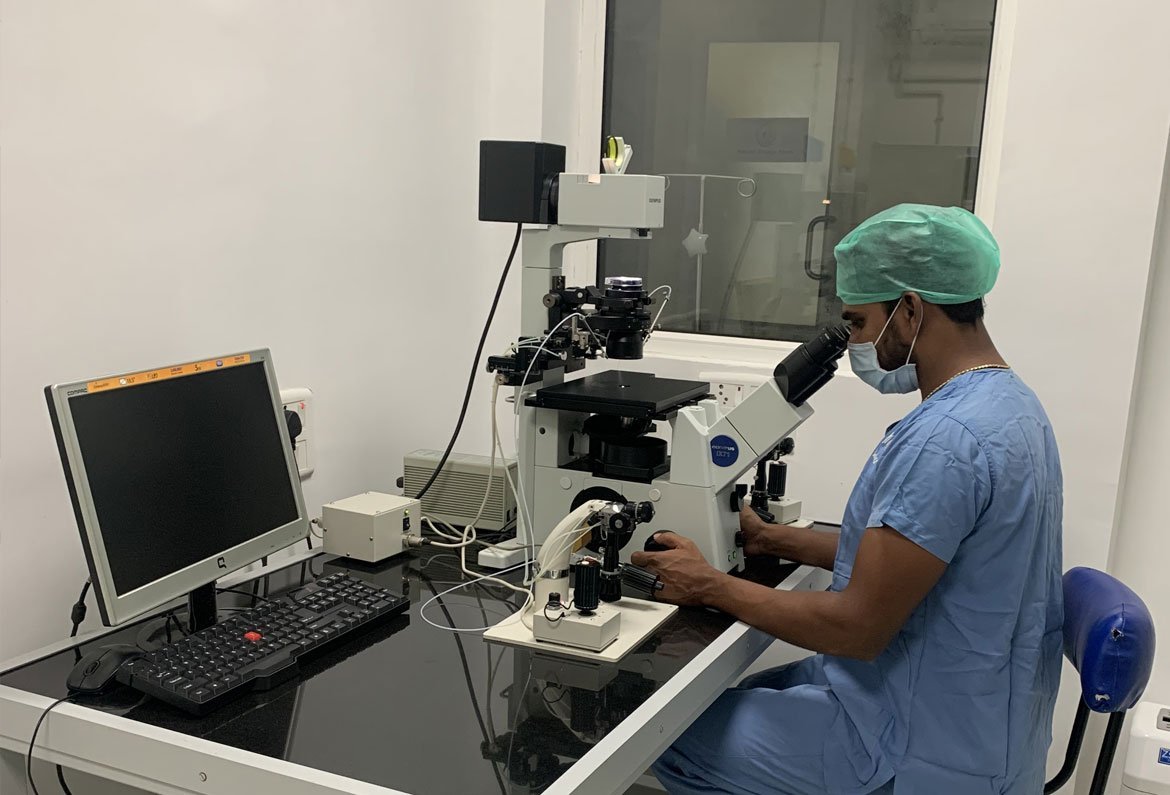
In conventional IVF, eggs are placed in a dish with thousands of sperm and fertilisation happens on its own. In ICSI, the embryologist selects a single healthy sperm and injects it directly into each mature egg using a very fine needle under a high-powered microscope. Everything else in the cycle, from stimulation to embryo transfer, is the same.
Who needs ICSI?
- Men with a low sperm count, poor motility or abnormal sperm shape
- Men with azoospermia, where sperm is retrieved surgically from the testis
- Couples with failed or very low fertilisation in a previous IVF cycle
- Cycles using frozen sperm or a small number of eggs
- Couples with unexplained infertility, in some cases
Is ICSI safe?
ICSI has been used worldwide for over 30 years and is considered safe. Your doctor will discuss any specific risks for your situation, especially if there is a genetic cause for male infertility.
What are the success rates?
With ICSI, around 70 to 80% of injected mature eggs usually fertilise. Pregnancy rates per cycle are similar to IVF and depend mostly on the woman's age and embryo quality.
ICSI at Meenakshi Fertility Centre
Our embryology laboratory is equipped with advanced micromanipulation workstations, and our embryologists perform ICSI daily. Combined with blastocyst culture and laser assisted hatching, we aim to give every couple the best possible chance.
Read more about our ICSI treatment in Chennai, or book a consultation to discuss your semen analysis results.
Medical disclaimer: This article is for general information only and is not a substitute for professional medical advice. Please consult our specialists for guidance about your own health.